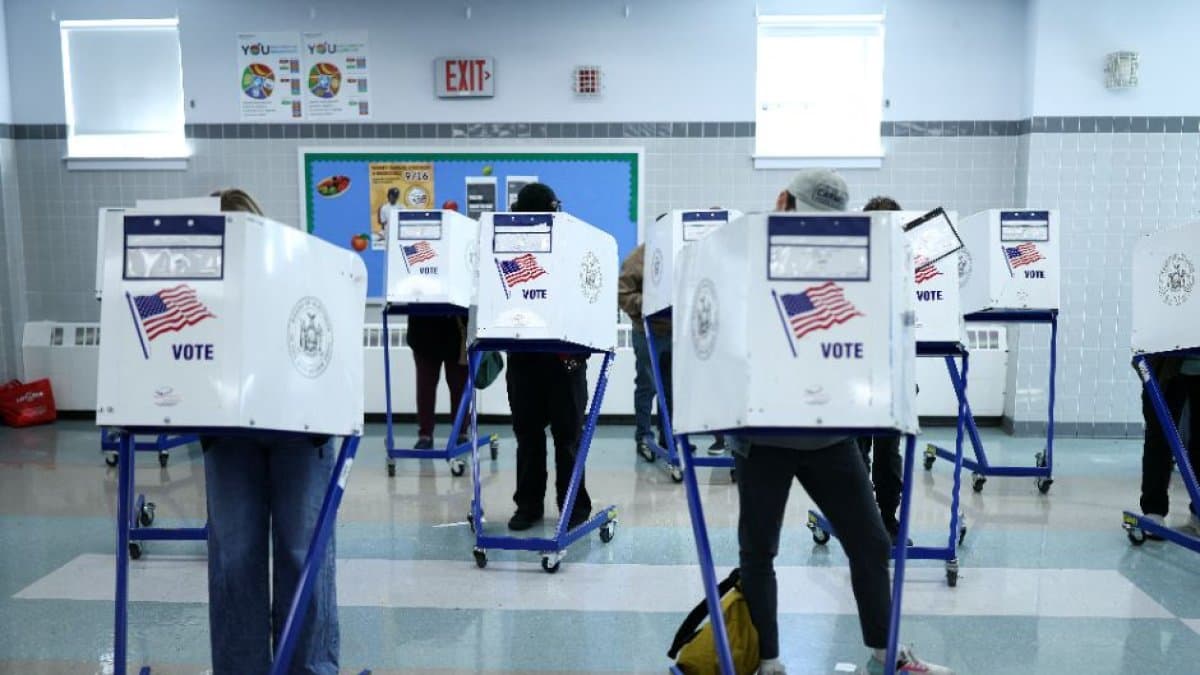







SURPRISE IN BRAZIL: Flavio Bolsonaro bests leftist Lula da Silva, emerges as favorite for presidential runoff
The result exceeds what polls had predicted — which had forecast a lead for Lula — and puts Flávio ahead of the performance of his father, Jair Bolsonaro, in the 2022 first round, when he received 43.20% compared to Lula's 48.43%.
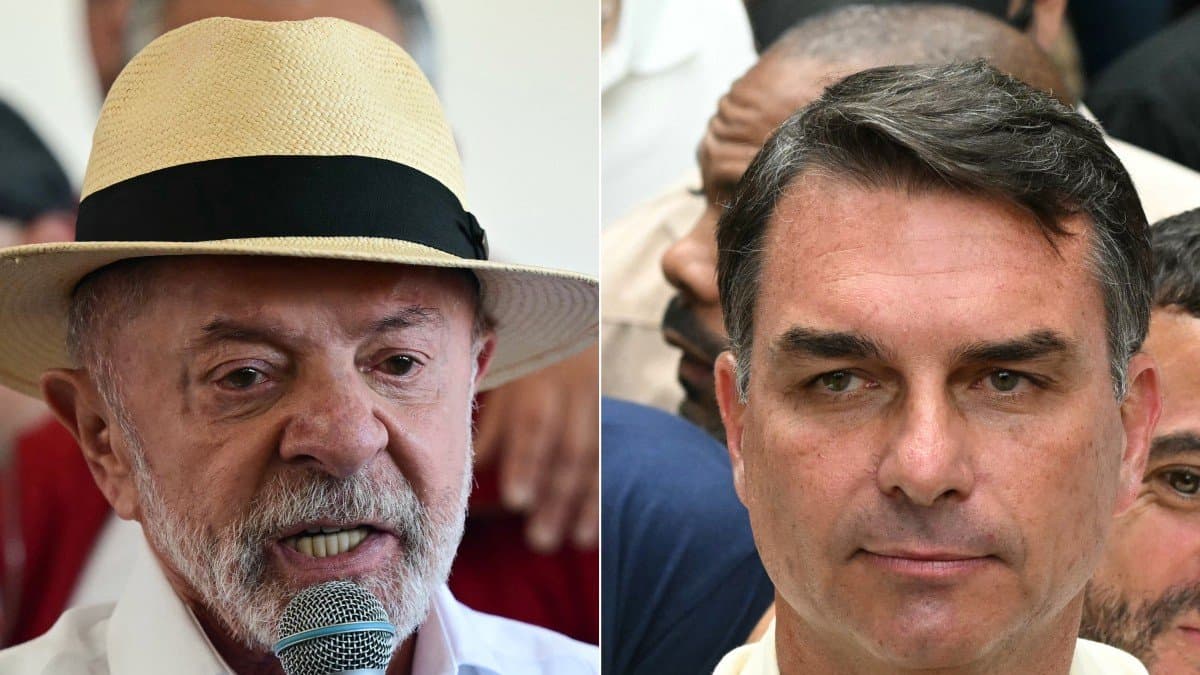
A composite image of Lula da Silva and Flávio Bolsonaro

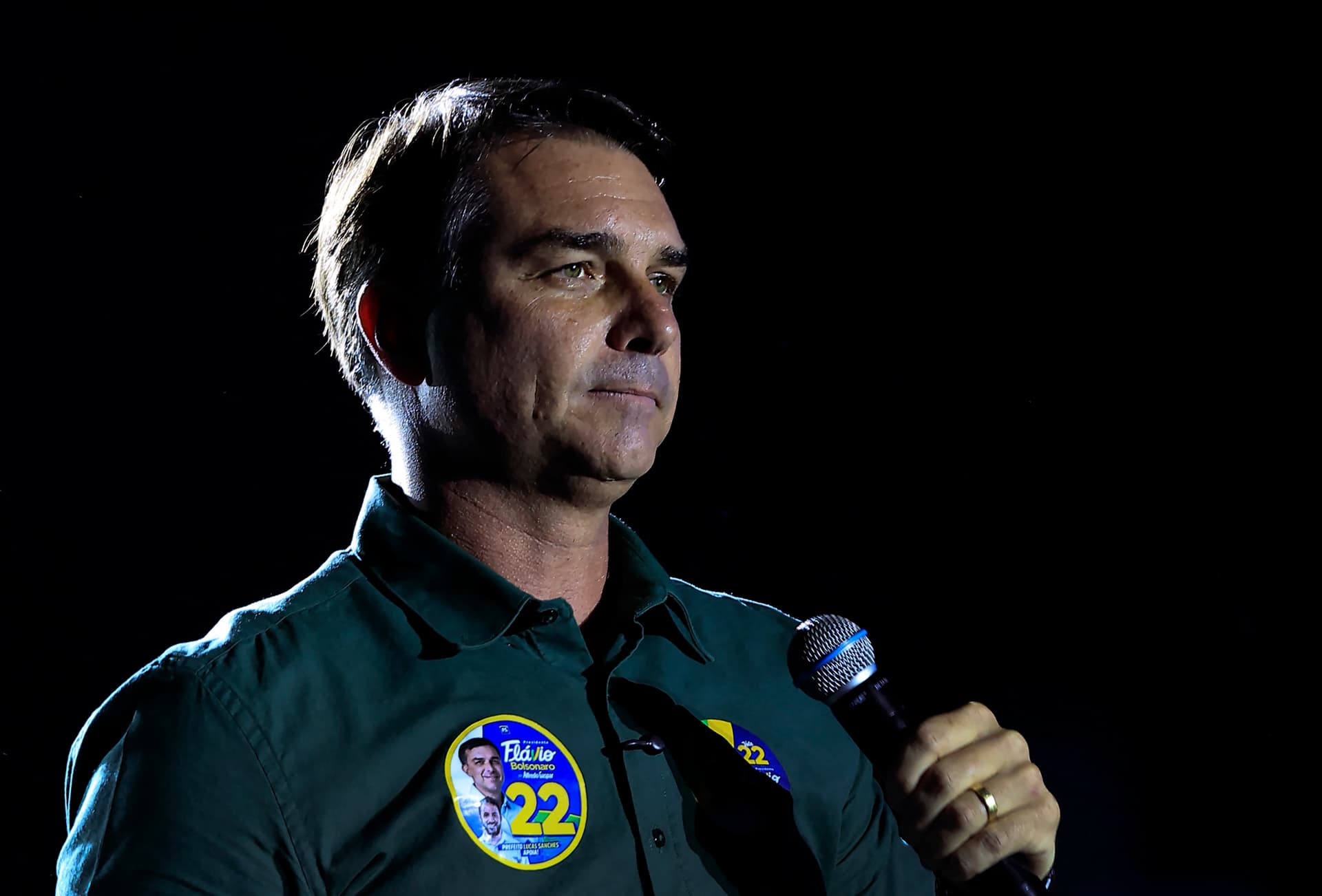
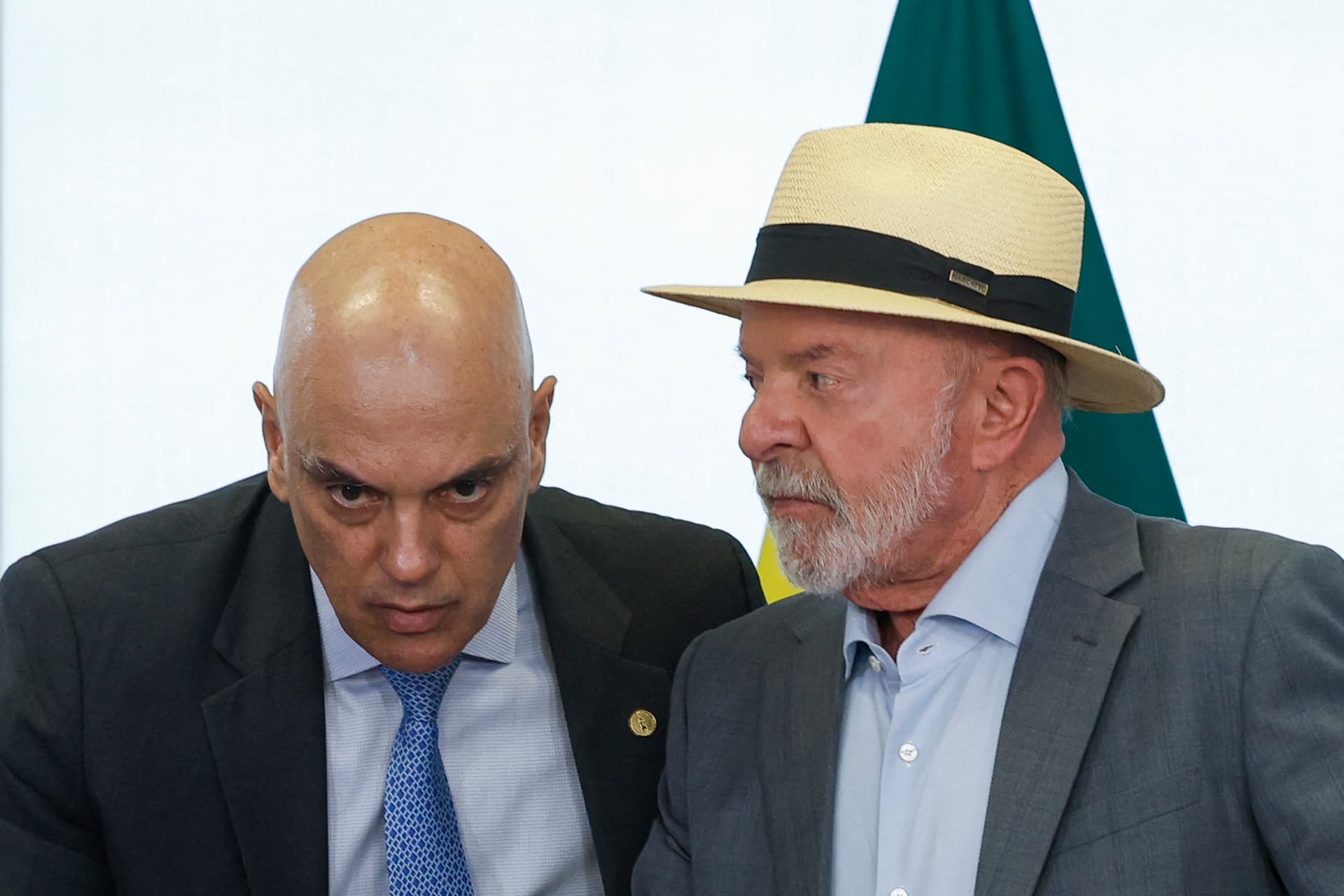
Finally, on a positive day for the regional right, Brazil will head to a runoff to elect its next president. Conservative Senator Flávio Bolsonaro of the Liberal Party (PL) won the first round of the presidential election with 47.19% of the vote, compared to 44.97% for President Luiz Inácio Lula da Silva, with 99.14% of the polling stations counted — a result that proved all the prestigious polling firms wrong, as they had predicted the current leftist president would win.
However, since neither candidate surpassed the 50% threshold needed to win outright, the two will face off on Sunday, Oct. 25, in the runoff election, with <span>Bolsonaro</span> now entering as the clear favorite.
According to the Superior Electoral Court (TSE), third place went to writer Augusto Cury of the Avante party, with 2.90%. Those swing votes could make the difference for both Lula and Bolsonaro, as Cury positioned himself during the campaign as a centrist with a "capitalist mind" but a "social heart." It is important to note that Bolsonaro's lead was wider at the start of the count — reaching 10 points — and gradually narrowed as the tally progressed.
The result exceeded poll projections, which had predicted a lead for Lula, and puts Bolsonaro ahead of the performance of his father, Jair Bolsonaro, in the first round of 2022, when he received 43.20% compared to Lula's 48.43%. The son improves on that result by about four points, while the president falls back by nearly 3.5 points compared to that election.
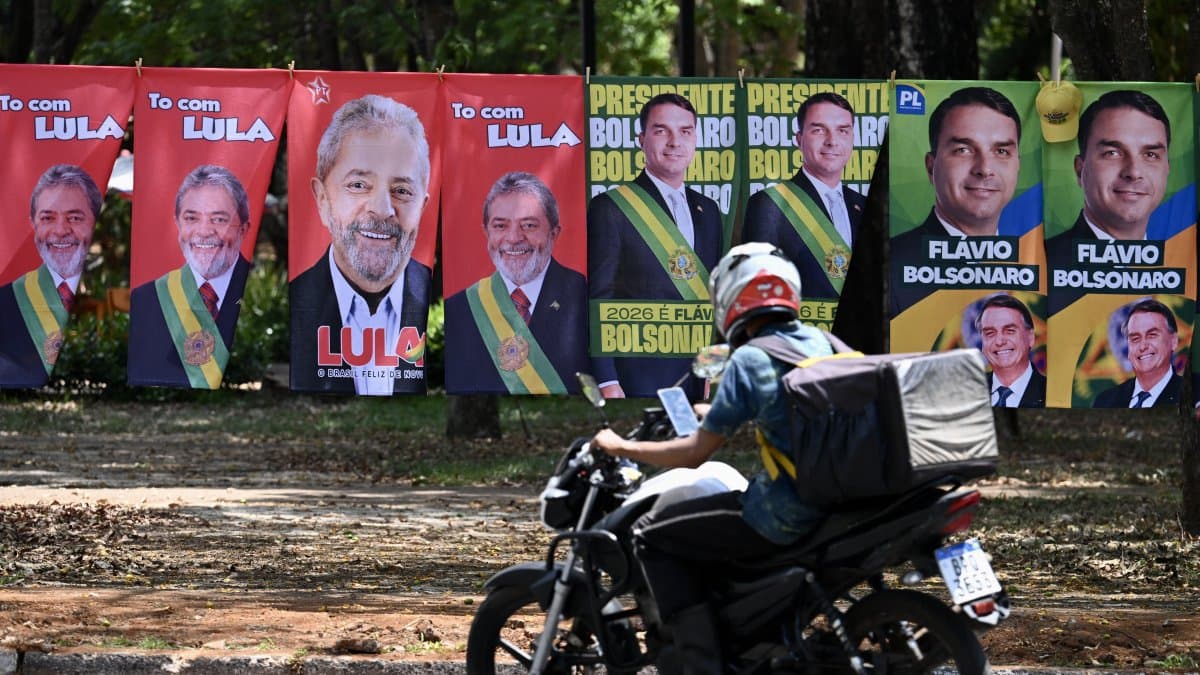
The Liberal Party also emerged stronger in the states. According to O Globo, which analyzed the provisional results, the party appears to have won in at least 12 states, with the most decisive victory coming in São Paulo, the country's most populous state, where Governor Tarcísio de Freitas, a member of the Republicans and close to the PL, was reelected with 62.85% of the vote, compared to 36.23% for Fernando Haddad, the Workers' Party (PT) candidate, former minister, and ally of Lula, with 90% of the ballots counted. O Globo also highlighted the performance of Cleitinho Azevedo in Minas Gerais.
A preliminary analysis by analyst Daniel Schteingart, based on partial data, indicates that Lula lost ground across nearly the entire country compared to 2022. The decline was greatest in small municipalities, with a drop of 6.7 points in those with fewer than 10,000 voters, and smaller in large ones, with a drop of 1.5 points in those with more than 200,000 voters and just 0.9 points in state capitals. The sharpest declines occurred in agricultural hubs such as Barreiras, in Bahia (12.9 points), and Rio Verde, in Goiás (11.3). Lula, on the other hand, gained ground in some state capitals, including Belém and Brasilia.
A night of revenge for the Bolsonaro family
Former President Jair Bolsonaro, who served from 2019-22, was unable to run because he is barred from office following his sentencing last year to 27 years in prison for leading a coup plot after his defeat by Lula in 2022. Since March, he has been serving his sentence at home for health reasons. However, his family represented him on the ballots. In December, he designated Flávio as his successor, and the senator promised to get him out of prison if he comes to power. Now he is just one step away. In addition, Michelle Bolsonaro, Jair's wife, was elected to the Senate, and two of their sons, Carlos and Renan, won seats in the Senate and the Chamber of Deputies, respectively.
Flávio, 45, describes himself as a more moderate version of his father and focused his campaign on public safety. While voting in Rio de Janeiro, he said he hoped for "a protest vote against the era of backwardness." Lula, 80, who is seeking a fourth nonconsecutive term, framed the election as a contest between "democracy and barbarism" and raised the banner of sovereignty in the face of pressure from Washington — a sentiment that was certainly on full display this week, as President Donald Trump refused to endorse a candidate.
ABC correspondent David Alandete asked Trump on Oct. 2 whether he expressly supported Flávio Bolsonaro, as he has done with other candidates in Latin America, and the president merely said that he is following the election closely, without offering explicit support. This silence is striking given the context.
The Trump administration pressured Brazil with tariffs and sanctions, and Lula turned that clash into a campaign issue, even releasing an ad that portrayed Flávio as "Donald Trump's candidate." Bolsonaro for his part, met with the president at the White House in May and promised that Brazil would join the Escudo de las Américas if he wins, but Trump has publicly stated that he gets along well with Lula and has distanced himself increasingly from the Bolsonaro cause.
Although Bolsonaro does not have the backing of the White House, he did receive support from some regional allies. The president of Colombia, Abelardo De la Espriella, wrote on X that "true change is defeating the left".
The second round on Oct. 25 will determine whether Bolsonaro's momentum holds up against Lula, who already won the 2022 runoff by a narrow margin of 50.9% to 49.1% and whose stronghold remains the country's northeast.
🛠 Do you think there is an error in this article?
Recommendations

LATEST