






Cornell University bans fraternity parties for the rest of the academic year following an explosive lawsuit over sexual abuse
The administration of the prestigious Ivy League institution ordered the immediate suspension of social events at fraternities while the state attorney general's office investigates allegations against several students.

Cornell campus.

Cornell University announced a complete suspension of parties and social events at all fraternities belonging to the Interfraternity Council (IFC) for the remainder of the 2026–2027 academic year.
The measure was made official on Tuesday by the university's president, Michael Kotlikoff, in a statement addressed to the university community following the filing of a lawsuit involving allegations of widespread sexual assault in a dormitory.
The administrative decision responds to the revelations contained in a lawsuit filed by a student, identified in court records as Jane Doe, who claimed to have been sexually assaulted by seven men at the Chi Phi fraternity house in October 2024.
"These measures will allow time for a thorough review of fraternity life at Cornell to determine whether and how they can continue safely," Kotlikoff wrote in his message. The university president emphasized "zero tolerance for violations" and warned that any fraternity holding social gatherings will face immediate suspension.
State intervention and independent reviews
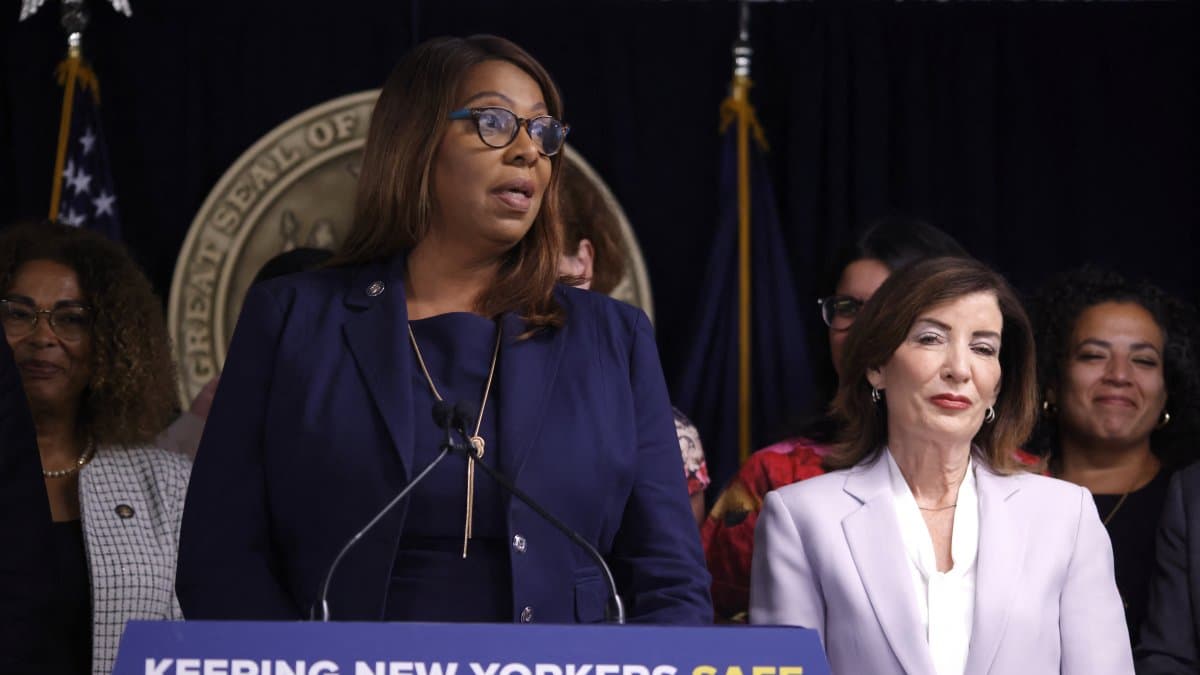
The case escalated to the state level after New York Governor Kathy Hochul appointed the State Attorney General's Office as special prosecutor to lead the criminal investigations into the incident.
For its part, the university hired former U.S. Deputy Attorney General Sally Yates to conduct an independent audit of the handling of the case.
Although the university administration imposed disciplinary sanctions on some of the students involved in the case, none have been criminally charged so far.
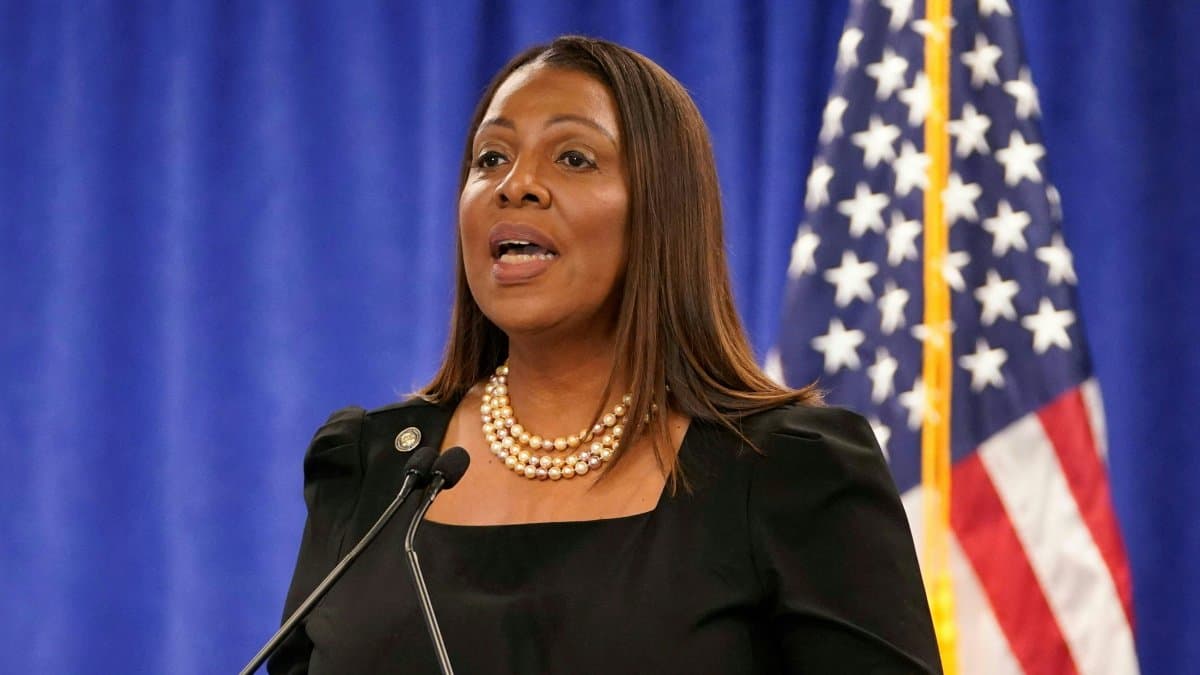
In the judicial arena, the defense attorneys for at least two defendants moved to recuse New York Attorney General Letitia James, arguing that she lacked impartiality because she had posted messages supporting the complainant on social media before she was appointed special prosecutor.
Discrepancies between the formal complaint and the initial statements given to Tompkins County police kept the case at a standstill locally. However, the release of the police interview transcripts led state authorities to reopen a thorough review of the facts, significantly affecting student life and campus social dynamics.
🛠 Do you think there is an error in this article?
Recommendations





LATEST